


- Damian Jerzy Zadora
How to Wash Feather Pillows – Proven Home Remedies
- Damian Jerzy Zadora
In short: You can machine-wash a feather pillow at up to 40°C on a delicates or down program, with a down detergent and no fabric softener. Wash one or two pillows at a time, dry them flat in a well-ventilated place and fluff them often. A full wash every 6 months is enough.
Pillows with natural fillings—feathers or down—guarantee comfort and healthy sleep. But to ensure they last as long as possible, they need proper care. If you're wondering whether they can be washed at home and how to do it safely, we have a practical guide for you. Zero stress, maximum softness!
Yes—but only if you follow a few important rules. Although feather pillows may seem delicate, they can withstand washing well if you approach the matter with care. Thanks to modern washing machine programs, you can refresh them effectively and safely, without having to visit a dry cleaner.

Technical tip: It's best to wash your laundry in a large washing machine—at least 7 kg capacity. A drum that's too small can prevent the pillow from spinning freely, and detergent from being rinsed out thoroughly. This can result in a damp smell and drying difficulties. One or two pillows at a time is the maximum—give them space.
In short: washing machine—yes, but with care. Correct setting is essential if you want your feather pillows to be fresh, fluffy, and ready for future evenings of snuggling.
Feather pillows require not only the right wash cycle, but also a few tried-and-true tricks to help them maintain their elasticity and shape—without the clumpy, "pancake" effect. Here's what you should do to keep your pillows looking (and smelling) like new after washing:
It's these small steps that make the difference. A well-washed feather pillow isn't just about cleanliness—it's about sleeping comfort, fresh fabric, and a pleasure to use every day.

If there's one golden rule for feather pillow care, it's this: never store them wet . Even if they seem "almost dry," trapped moisture can lead to an unpleasant, musty smell and, in extreme cases, the growth of mold and bacteria. Therefore, drying is the most crucial step in the entire process.
Remember: a well-dried feather pillow will be supple, soft, and ready for months of use. And you'll gain peace of mind and a restful night's sleep.

Washing a feather pillow – the settings at a glance
| Step | Recommendation |
|---|---|
| Temperature and program | up to 40°C; delicates, down or hand wash |
| Detergent | down detergent or baby detergent, without enzymes, bleach or strong fragrances; no fabric softener |
| Washing machine | drum of at least 7 kg; one or two pillows at a time |
| Drum addition | 2–3 clean tennis balls (preferably in cotton socks) |
| Drying | flat, in a well-ventilated place; fluff every few hours; away from the radiator |
| Frequency | full wash every 6 months (every 3–4 months with allergies); pillowcase every week |
Pillows with natural fillings do not require frequent washing, but regular care is essential to keep them fresh, supple and hygienic.
Remember – a good feather pillow is an investment in sleep comfort, but it also requires care. A well-cared-for one will not only last longer but will also contribute to your restful, restorative sleep every day.
 When not to wash at home?
While washing feather pillows at home is possible, it's not always the best solution. There are situations where it's better to have them professionally dry cleaned – for the sake of both the pillow and your time (and nerves):
Remember: sometimes trying to freshen up at home can do more harm than good. And a good feather pillow deserves some care – not only for its appearance, but above all for your sleeping comfort.
Feather pillows are an investment in comfort – and they're worth caring for. Home washing is possible, safe, and truly effective if you approach it carefully. A well-cared-for pillow not only ensures freshness and hygiene, but also ensures better sleep.
And if you're dreaming of new additions after washing, check out our Pillovely collection of decorative pillows and pillowcases. Softness is a way of life.
See also: Decorative pillows and pillowcases and fabric and upholstery care products.
Yes, if you choose a delicates, down or hand-wash program at up to 40°C. Use a down detergent or baby detergent without enzymes or bleach, and do not add fabric softener. Wash one or two pillows at a time in a drum of at least 7 kg.
Up to 40°C. Hot water damages the natural oils in feathers and down, so the filling becomes stiff and loses its bounce, and the cover can lose its shape. Wash pillowcases separately, even at 60°C, so they are truly clean.
A down detergent or a gentle baby detergent, without enzymes, bleach or strong fragrances. Avoid capsules and powders, which may not dissolve, and fabric softeners: they cling to the down and make it clump, so the pillow becomes flat and heavy.
Flat, on a drying rack or mesh, in a well-ventilated, dry place away from the radiator. Fluff the filling every few hours. You can use a tumble dryer on a low temperature with tennis balls, but dry in stages until the inside is completely dry.
They break up the feathers during washing and drying, so the filling does not stick together in one place. Add 2–3 clean balls, preferably wrapped in cotton socks so they leave no color or fibers. The result is even volume and no lumps.
A full wash every 6 months; with allergies or if you sleep on the pillow every night, every 3–4 months, but not more often. Washing too often weakens the structure of the filling. Change the pillowcase every week, fluff the pillow daily and air it regularly.
Do not overload the machine, skip fabric softener, add tennis balls and take the pillow out right after washing. Lay it flat, shape it by hand and fluff it regularly while it dries. A damp pillow left in the drum quickly starts to smell musty.
When you do not have a large washing machine or dryer, when the pillow has stubborn stains (grease, blood, cosmetics), when the feathers are already clumped and dried out, or when the care label forbids washing in water. In those cases it is better to take it to a professional cleaner or replace it.
Yes. A warm, dry day with a light breeze speeds up drying, and UV rays have an antibacterial effect. The pillow must be completely dry before you put it away, because moisture in the feathers causes a musty smell and, in extreme cases, mold.
Most often it was dried badly or stayed wet in the drum for too long. Moisture inside the filling causes a musty smell. Dry the pillow thoroughly in a well-ventilated place and fluff it often; if the smell comes back, take it to a cleaner.
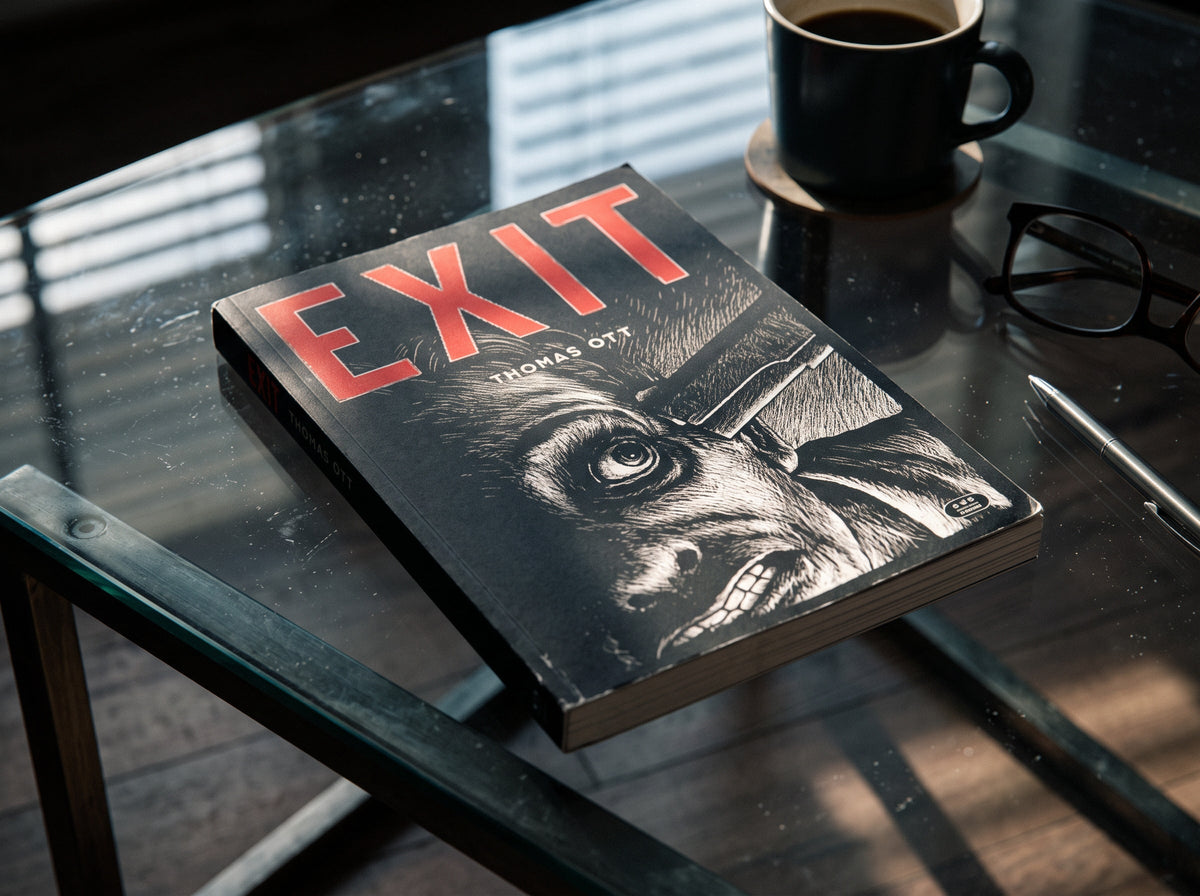
Kącik czytelniczy Pilla: Thomas Ott - "Exit"
Mroczny klimat, czarny humor i historie, które nie zawsze kończą się happy endem. Dziś zaglądamy do świata scratchboardingu, gdzie światło wyłania się z ciemności, a krótkie opowieści pełne ironii i ukrytych morałów potrafią powiedzieć więcej niż tysiąc słów.
Pokój gościnny – jak urządzić pokój, w którym goście poczują się jak w domu?
Czytaj więcejo Pokój gościnny – jak urządzić pokój, w którym goście poczują się jak w domu?
Materac dla dziecka – jaki wybrać dla bezpiecznego i zdrowego snu?
Materac dla dziecka to jeden z najważniejszych zakupów do dziecięcego pokoju, bo maluch spędza na nim nawet kilkanaście godzin na dobę. Od jego jakości zależy nie tylko komfort, ale też bezpieczeństwo snu i prawidłowe podparcie rosnącego kręgosłupa. Dobry model jest stabilny, przewiewny, łatwy w utrzymaniu czystości i idealnie dopasowany do łóżeczka lub łóżka. Przy wyborze najważniejsze są twardość, wysokość, rodzaj wypełnienia i rozmiar.
Czytaj więcejo Materac dla dziecka – jaki wybrać dla bezpiecznego i zdrowego snu?




Share:
Living room with dining room - where life writes its best scenarios
Fabrics that cannot be missing in your home – Check it out!