


- Daniel Pawlik
How to Brighten a Dark Room – Simple Ways to Add Light and Space
- Daniel Pawlik
Remember the room in your first rented flat that never quite woke up? The one with a single small window facing a wall, where even at noon you reached for the light switch. Many homes have a room like that – a north-facing living room, a bedroom squeezed under the eaves, a hallway with no window at all. The good news is that a dark room is rarely a lost cause. With the right colours, a few reflective surfaces, layered lighting and furniture that doesn't swallow the space, you can make almost any room feel lighter and larger.
Here is how to brighten a dark room step by step – without knocking down walls.
Before buying anything, make the most of the daylight that already comes in.
Clear the window. Move tall furniture, plants and piles of books away from the window so nothing blocks the light.
Swap heavy curtains for light ones. Sheer linen or cotton curtains in white, cream or sand let daylight through while keeping privacy. Hang the rail wider and higher than the frame so the curtains can be pulled fully clear of the glass.
Keep windowsills simple. One small plant or object is enough – a crowded sill blocks more light than you think.
Clean the glass. It sounds obvious, but clean windows noticeably change how bright a room feels.

Colour does most of the work in a dark room, because pale surfaces reflect light back into the space.
Walls: warm white, soft cream, oat or very pale sage. In north-facing rooms, choose warm undertones – cool greys and blue-whites can make a dim room feel flat and chilly.
Ceiling: keep it white or a shade lighter than the walls, so the room feels taller.
Floors and rugs: a light rug in cream, beige or natural jute brightens dark floorboards instantly.
Upholstery: a sofa or armchair in a light fabric – sand, beige, light grey – becomes a large reflective surface in the middle of the room. A pale sofa such as the Camellia sofa keeps the room airy, and you can order free fabric samples to check how a colour looks in your own light before you decide.
Save darker, richer colours for small accents – a cushion, a throw, a picture frame – so the room still has depth and character.
A well-placed mirror is the single cheapest way to double the light in a room.
Hang a mirror opposite or beside the window, so it reflects daylight deeper into the room. A decorative piece like the Serena wall mirror adds light and a focal point at the same time.
Use mirrored furniture where you need storage anyway. A wardrobe with mirrored doors, such as the Serena mirrored wardrobe, brightens a bedroom or hallway while hiding everyday clutter.
Add glass and gloss in small doses – a glass vase, a metal lamp base, a lacquered tray. They catch light and scatter it around the room.

One ceiling light in the middle of a dark room creates harsh shadows in every corner. Several light sources at different heights make the room feel bigger and warmer.
Ceiling or pendant light for general light – choose an open or glass shade that spreads light evenly.
Floor lamp in the darkest corner. A floor lamp lifts the corner that daylight never reaches.
Wall lights free up floor and table space – useful in narrow hallways and small bedrooms.
Table lamps on a sideboard or bedside table add a soft, warm glow in the evening.
Built-in LED lighting in furniture – such as the Gorky glass display cabinet with LED – adds another gentle layer of light at eye level.
Choose warm white bulbs (around 2700–3000K) for living rooms and bedrooms – they make a dark room feel cosy rather than clinical.
Furniture can either open a dark room up or close it down.
Raise furniture on legs. Sofas, sideboards and armchairs on visible legs let light and floor show underneath, which makes the room feel larger.
Choose light woods and pale fronts – light oak, cream or beige finishes reflect far more light than dark walnut or black.
Keep tall furniture away from the window wall and place it against walls that don't receive direct light.
Edit. Fewer, well-chosen pieces leave more open floor and wall space – and in a dark room, empty space reads as light.
If you're planning a bigger change, our living room furniture collection includes light, low-profile pieces that suit rooms with limited daylight.
Clear the window and swap heavy curtains for sheer, light ones.
Paint walls and ceiling in warm, light tones.
Add a light rug and pale upholstery.
Hang a mirror where it can reflect the window.
Use at least three light sources at different heights.
Choose furniture on legs in light finishes.
What colour makes a dark room look brighter?
Warm white, cream, oat and very pale sage reflect the most light while still feeling cosy. In north-facing rooms, avoid cool blue-greys.
Where should I put a mirror to brighten a room?
Opposite or next to the window, so it reflects daylight deeper into the room. Avoid placing it where it only reflects a dark wall.
How many lamps does a dark room need?
At least three light sources at different heights – for example a ceiling light, a floor lamp and a table or wall lamp.
Can dark furniture work in a dark room?
Yes, in small doses. Balance a dark piece with light walls, a pale rug and good lighting so the room keeps its depth without feeling heavy.
Pillovely – for those who want more
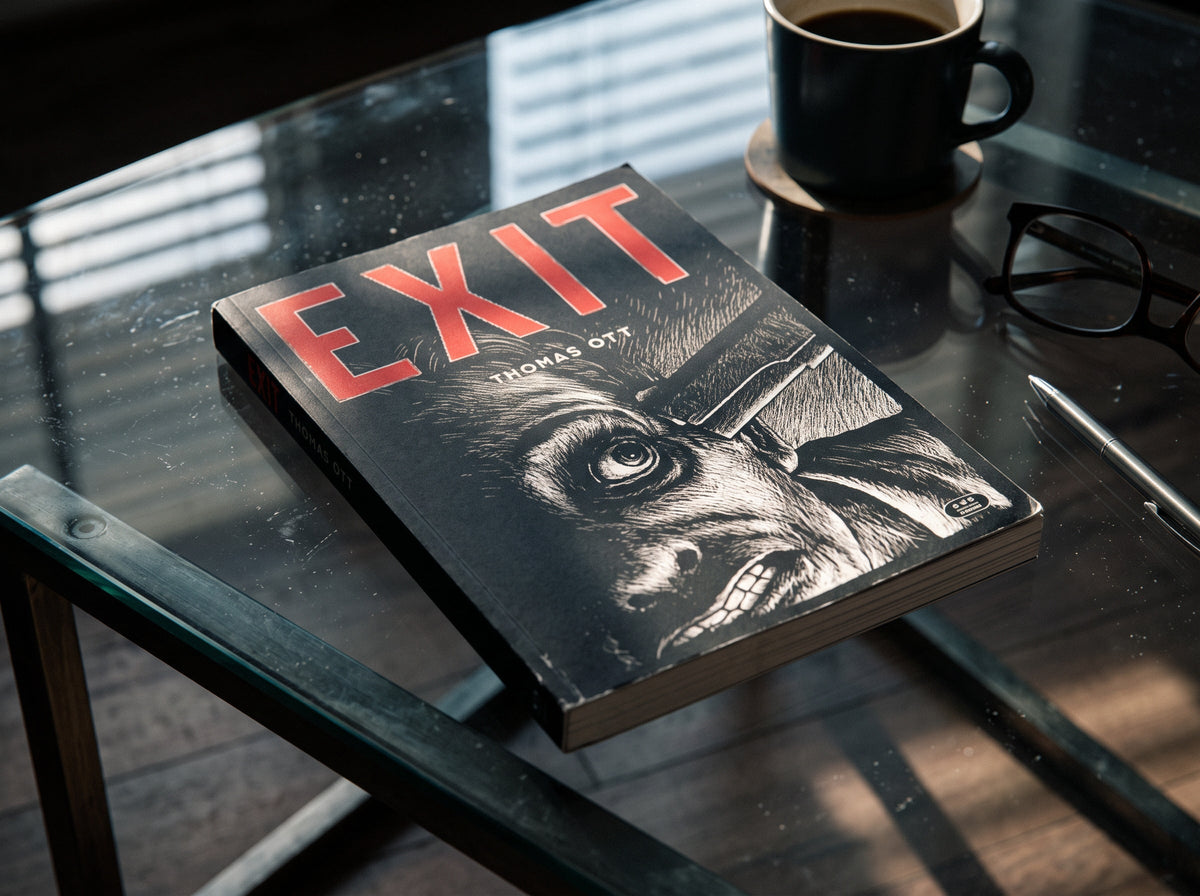
Kącik czytelniczy Pilla: Thomas Ott - "Exit"
Mroczny klimat, czarny humor i historie, które nie zawsze kończą się happy endem. Dziś zaglądamy do świata scratchboardingu, gdzie światło wyłania się z ciemności, a krótkie opowieści pełne ironii i ukrytych morałów potrafią powiedzieć więcej niż tysiąc słów.
Pokój gościnny – jak urządzić pokój, w którym goście poczują się jak w domu?
Czytaj więcejo Pokój gościnny – jak urządzić pokój, w którym goście poczują się jak w domu?
Materac dla dziecka – jaki wybrać dla bezpiecznego i zdrowego snu?
Materac dla dziecka to jeden z najważniejszych zakupów do dziecięcego pokoju, bo maluch spędza na nim nawet kilkanaście godzin na dobę. Od jego jakości zależy nie tylko komfort, ale też bezpieczeństwo snu i prawidłowe podparcie rosnącego kręgosłupa. Dobry model jest stabilny, przewiewny, łatwy w utrzymaniu czystości i idealnie dopasowany do łóżeczka lub łóżka. Przy wyborze najważniejsze są twardość, wysokość, rodzaj wypełnienia i rozmiar.
Czytaj więcejo Materac dla dziecka – jaki wybrać dla bezpiecznego i zdrowego snu?




Share:
Best Colour for Sofa – How to Choose the Perfect Shade for Your Living Room
Pill Reading Corner: Alfred Szklarski - The Adventures of Tomek Wilmowski